Strategic Accessibility & Org Mentorship
Scaling digital inclusion by establishing semantic component architectures, rigorous compliance auditing, and organization-wide coaching loops.
Role: IAAP Certified Accessibility Specialist & Lead Designer
Key Learnings
- Conformance isn't about just meeting the criteria
- Some solutions can make it inaccessible for specific user groups
- Accessibility doesn't have to mean brutalist (or ugly)
- Not all accessibility guidelines are made equal
- Technology will catch up, and usability will become accessibility
- Having an accessibility guild can make all the difference you need
Shifting from Reactive to Proactive
Shifting Left with Accessibility
In most enterprise ecosystems, accessibility is treated as a late-stage compliance checkbox, a reactive process of auditing code right before deployment and scrambling to patch bugs. This reactive loop creates immense technical debt, delays product shipments, and risks critical compliance failures. The true challenge was shifting an entire cross-functional design organization from a state of reactive troubleshooting to a proactive culture of native, systemic inclusivity.
Architectural Compliance & Auditing
Rigorous Validation Across Multi-Product Suites
To establish an accurate baseline of our organizational health, I directed thorough compliance operations and structural audits across our entire product suite. This process meant analyzing complex interactive user flows against ATAG, Section 508, EN 301549 and VPAT frameworks, executing intensive screen reader QA passes (NVDA, JAWS, VoiceOver), and stress-testing keyboard navigation trees. The resulting data allowed us to systematically dismantle legacy accessibility debt, providing product squads with transparent, prioritized remediation tracks that linked compliance metrics directly to core engineering backlogs.
Complex Component Design
Architecting Rich Semantic Components
- Interactive Numberline Plots: Traditional accessibility standards are easy to apply to static text, but they often break down during complex, highly interactive data states. I architected the end-to-end interaction models for rich, dynamic assessment components, including native Numberline Plot mechanics. By pairing absolute keyboard focus traps with explicit semantic aria-live announcements, we ensured that visually impaired students could manipulate complex graphical coordinates with the exact same precision as sighted users.
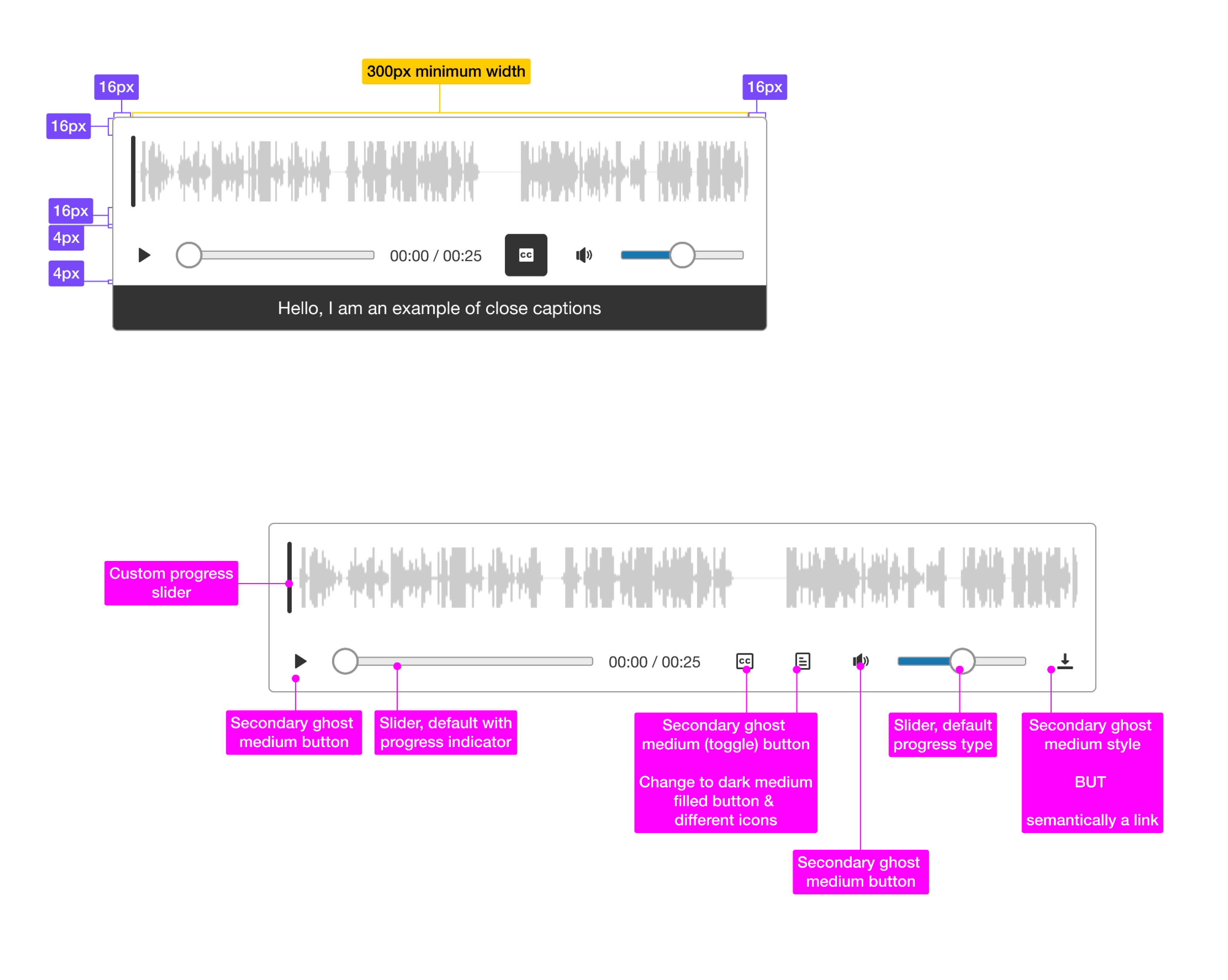
- Custom Audio Players: To support diverse learning requirements, I aligned our various audio players to a single component that meets the complex requirements across multiple jurisdictions. This was a complex semantic framework for customizable media players and responsive rollover tooltip blocks. These custom components go beyond standard HTML controls by handling layered DOM focus retention, avoiding keyboard traps, and dynamically scaling.
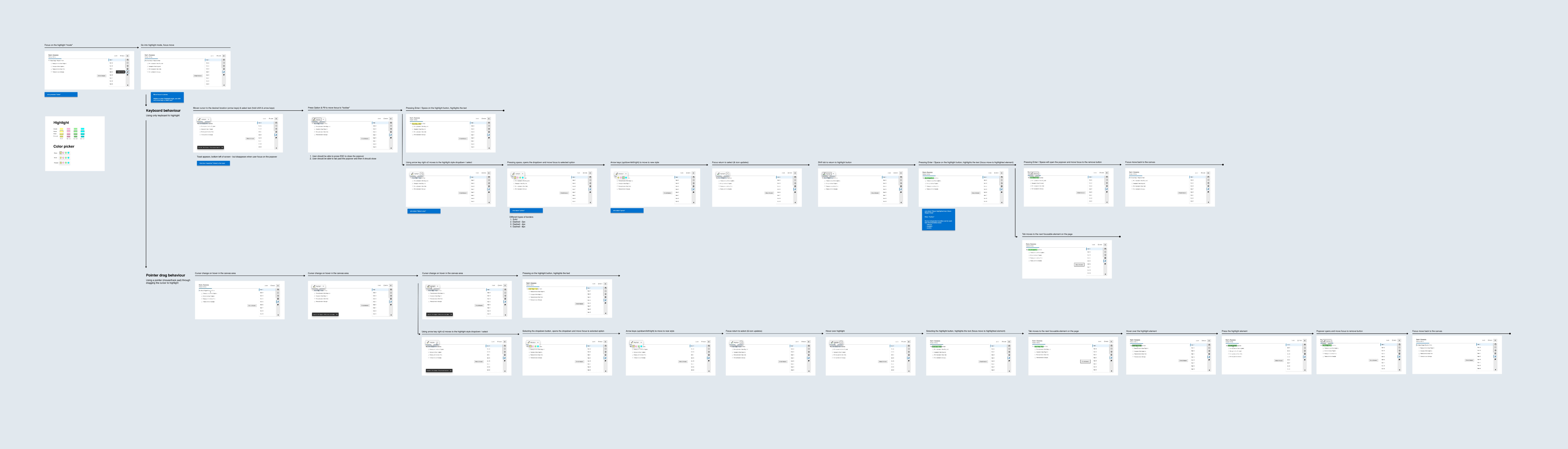
- Accessible Highlight Feature: I designed and engineered the interaction model for a native high-contrast highlight feature that is keyboard accessible. This system provides students with granular visual control over complex text documents, maintaining color contrast ratios across various color palettes while ensuring that all highlighted areas remain programmatically identifiable and non-disruptive to screen reader navigation paths.
Mentorship & Scaling Design Cohorts
Cultivating Advanced Systems Thinkers
True organizational maturity cannot be mandated; it must be taught. I established robust coaching loops to actively mentor and upskill product designers across all levels, guiding them from foundational accessibility awareness to advanced semantic design execution. By running hands-on workshops, designing interactive screen reader labs, and pairing designers through complex focus-state workflows, I have built a resilient internal community of practice that ships compliant, inclusive software by default.